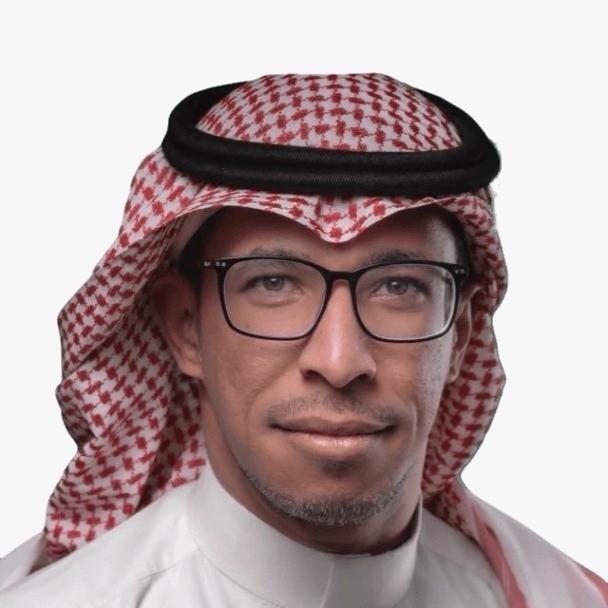
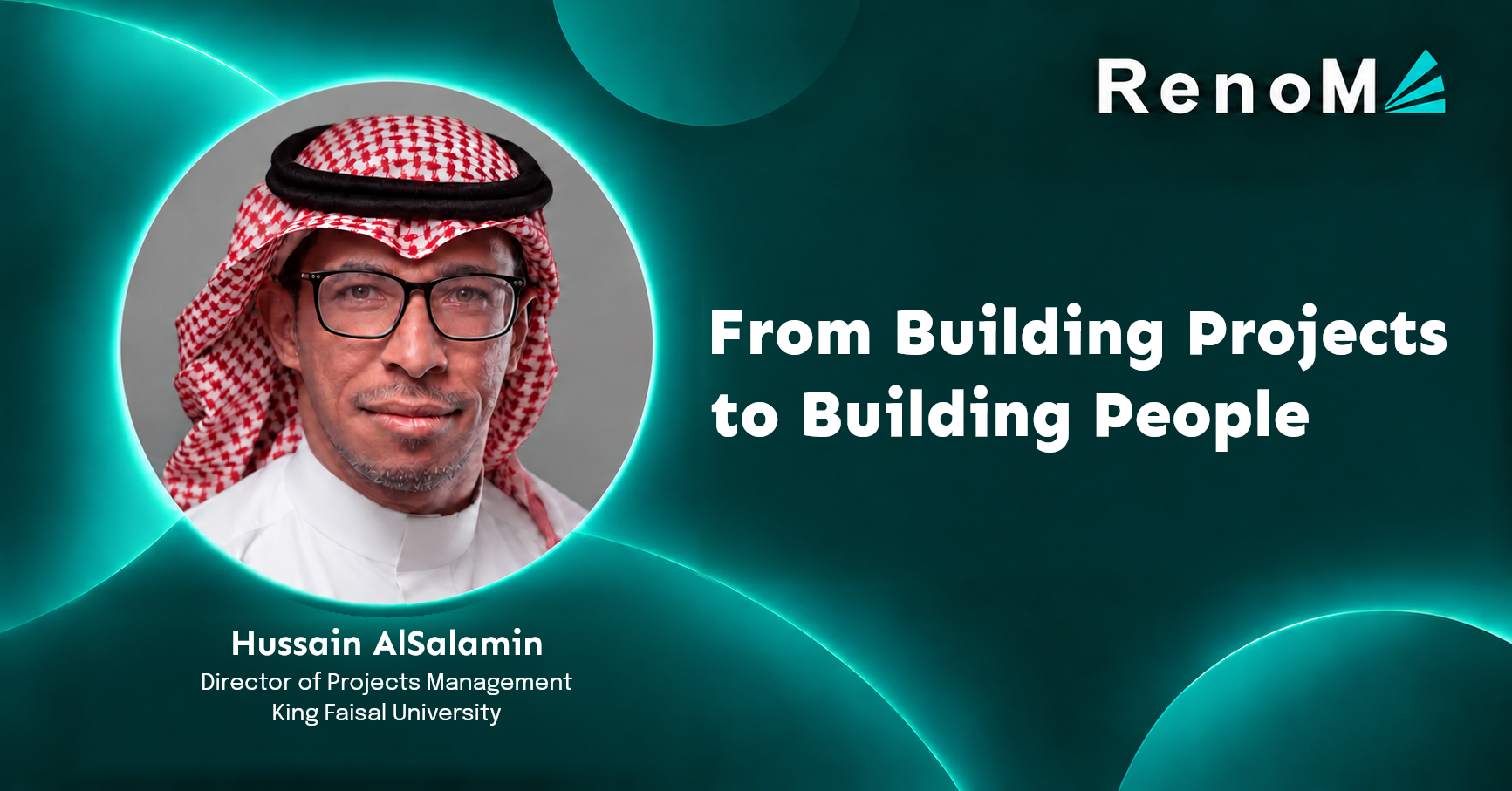
At an international conference in Dubai, Hussain AlSalamin recalls considering leaving before his turn to present.
He was sitting among specialists, watching one participant closely examine and question the papers being presented. As his own presentation approached, that scrutiny made him hesitate. He had prepared two papers, but now wondered whether he should stand before this audience at all.
He stayed.
When his turn came, he presented both papers. In Hussain’s account, the participant whose attention had unsettled him responded with enthusiasm, applauding and expressing admiration.
The encounter became a turning point. It encouraged him to move forward as a leader, mentor, and guide, helping others trust their capabilities and begin shaping their own professional paths.
“That day, I almost left before giving my work a chance to speak for itself. It taught me how easily doubt can hold us back, even when we have prepared and have something valuable to contribute.”
A foundation in engineering and learning
Today, Hussain leads the Projects Management Department at King Faisal University in Saudi Arabia. Alongside that responsibility, he trains professionals, volunteers with the Project Management Institute (PMI), and mentors people internationally. His journey connects the practical demands of delivering projects with a longstanding desire to teach and develop others.
It began in a small village surrounded by palm trees in the northern part of Al-Ahsa, in Saudi Arabia’s Eastern Province. The eldest of his parents’ children, Hussain grew up in modest circumstances and attended public schools.
He recalls graduating at the top of his secondary-school class before joining King Fahd University of Petroleum and Minerals (KFUPM), where he studied electrical engineering and graduated in 2007.
Engineering was not his first childhood ambition. He had wanted to become a mathematics teacher. He enjoyed the idea of explaining concepts and making learning easier for others. Choosing engineering gave him a different professional direction, but the desire to teach remained.
His working life began just two weeks after graduation, when he joined a contractor serving Saudi Aramco in Abqaiq as a project engineer. For nearly three years, he gained experience in that environment and worked toward the possibility of becoming a direct Saudi Aramco employee.
That opportunity did not materialize. His attempt to move into direct employment was unsuccessful, presenting him with an important decision about his future.
He chose to resign.
In 2010, Hussain joined King Faisal University as a project engineer. Looking back, he remains happy with the decision, while recognizing the effort, persistence, and learning required to build the career that followed.
“Being turned down for direct employment was a difficult moment. I chose to move forward elsewhere, and I am happy with that decision today because of what I have been able to build through effort and persistence.”
His career has involved two employers and movement between Abqaiq and Al-Ahsa. The central change in his story came through learning, progression, and becoming ready for greater responsibility.
At King Faisal University, he continued developing his knowledge while gaining practical experience. In 2014, he earned an MBA from the university, adding a business and management perspective to his engineering education.
Leading projects by developing people
Over a career now spanning 19 years, he progressed from project engineer to Director of the Projects Management Department. Each stage brought broader responsibilities, eventually requiring him to guide a team through demanding project conditions.
Hussain recalls that when he took the helm of the department, staffing was limited, consulting firms had departed from projects, and some projects were struggling.
Together with his colleagues, Hussain made the decision to undertake direct supervision. It placed substantial responsibility on the internal team and required them to address the difficulties facing the projects while continuing delivery.
He regards this as one of the most important decisions of his leadership journey. Its success depended on hard work, trust in colleagues, empowerment, and support from university leadership.
Today, he says the projects are moving in the right direction. He attributes that progress to a capable, committed team and the conditions that allowed its members to contribute.
For Hussain, the experience strengthened the connection between project outcomes and people’s development. Taking responsibility meant making decisions and remaining accountable. It also meant trusting colleagues with meaningful work and supporting them as they carried it out.
“One of my most meaningful achievements has been seeing what our team can accomplish when people are trusted and empowered. The progress belongs to the colleagues doing the work and the leaders supporting them.”
Turning experience into training and mentorship
That belief extends into his work as a trainer and mentor.
The childhood ambition to teach mathematics found a new expression through professional training, coaching, and guidance. Engineering gave him practical experience to share; training offered a way to explain it and help others apply it.
The conference in Dubai gave this part of his life greater purpose. Having almost withdrawn from an opportunity himself, he became more determined to encourage others to recognize their capabilities, prepare thoroughly, and participate.
Alongside his university responsibilities, Hussain works as a project management trainer and volunteers with PMI. These activities allow him to contribute to the profession while supporting the development of other practitioners.
He describes supporting professionals in several countries in project management and energy efficiency, and guiding university students internationally as they consider their futures and prepare for professional life.
Working with people from different backgrounds gives him opportunities to share experience and learn from their perspectives. Across these settings, his purpose remains consistent: to help people understand their options, develop their capabilities, and take practical steps toward their goals.
He finds particular satisfaction in helping others understand something they previously found difficult or gain the confidence to take a step they had been postponing. For him, leaving a positive impact through teaching and guidance remains one of the most rewarding parts of his work.
Helping the next generation find direction
His current focus is empowering young people to build a career roadmap while they are still at university or beginning their first jobs. He wants students and recent graduates to think deliberately about their direction and develop the readiness to pursue it.
His own experience offers several lessons for people at that stage.
An unsuccessful application can require a change of direction without defining the rest of a career. Continuing education can broaden the way someone understands their work. Accepting increasing responsibility can create opportunities to develop judgment and leadership. Stepping forward despite uncertainty can reveal capabilities that hesitation might otherwise conceal.
These lessons are grounded in specific decisions: leaving an employment path that had closed to him, continuing his education, staying to present in Dubai, and accepting direct responsibility for projects facing difficulties.
None offered complete certainty about the outcome. Each required preparation, effort, and a willingness to act.
“My advice to someone starting their career is to build your capabilities before the title arrives. Keep learning, accept responsibility, and give yourself the chance to contribute. One rejection does not have to determine the direction of your future.”
Building people, one opportunity at a time
From a small village among the palm trees of Al-Ahsa to university project leadership and international mentoring, Hussain’s journey has developed through steady learning and consequential choices.
As a project management advocate, he brings those experiences to people preparing for their own next steps. His childhood wish to teach continues through the professionals he trains, the colleagues he empowers, and the students he guides.
The next chapter of his work is focused on helping more young people move from uncertainty to a clearer sense of direction. He hopes to help them begin building their paths early, with greater awareness of their strengths and the effort required to develop them.
Years after he considered leaving that conference room in Dubai, the experience still carries a useful message: preparation deserves the opportunity to become participation.
For Hussain, helping someone else take that opportunity is an achievement worth pursuing.